Bulk Bag Discharging Systems
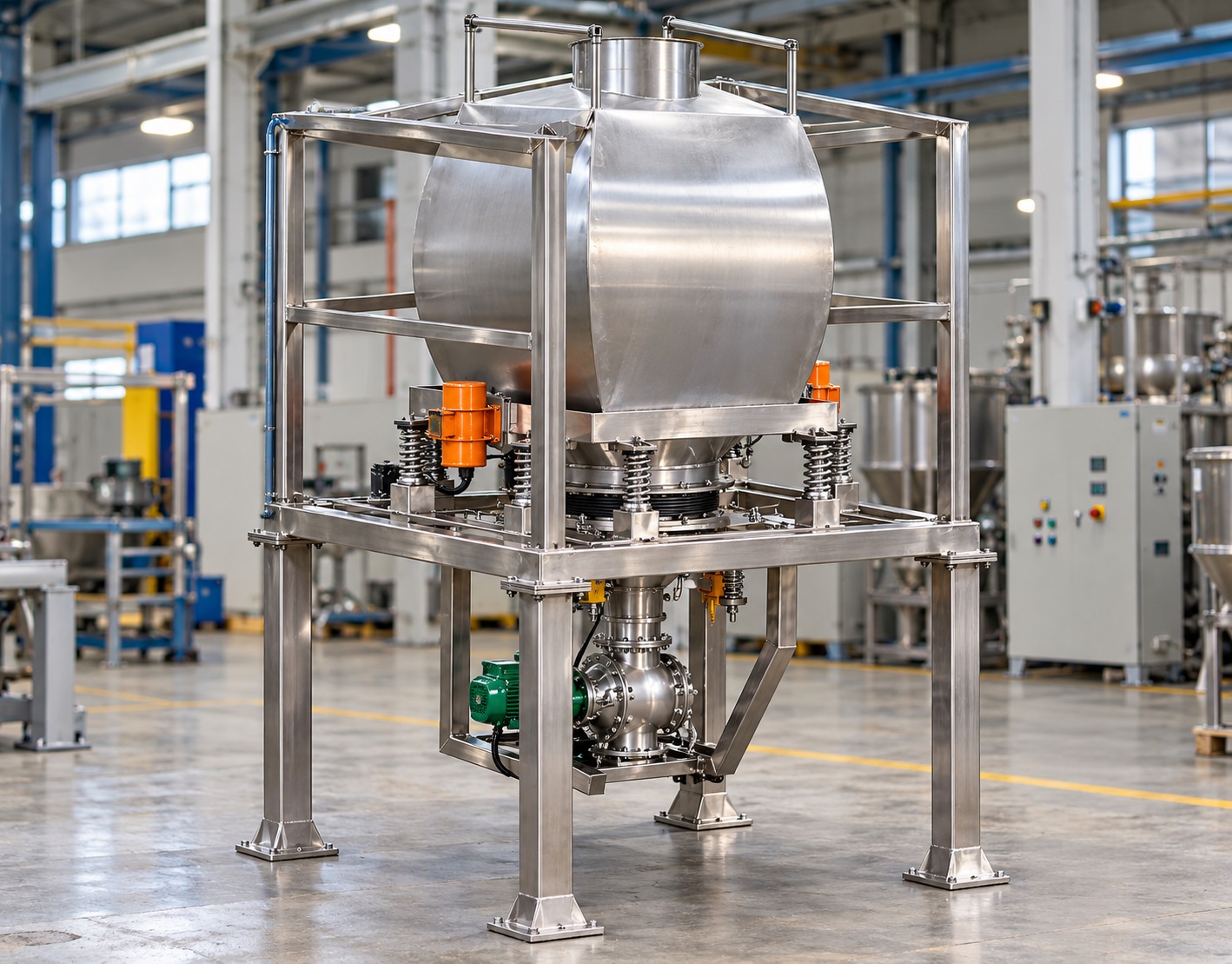
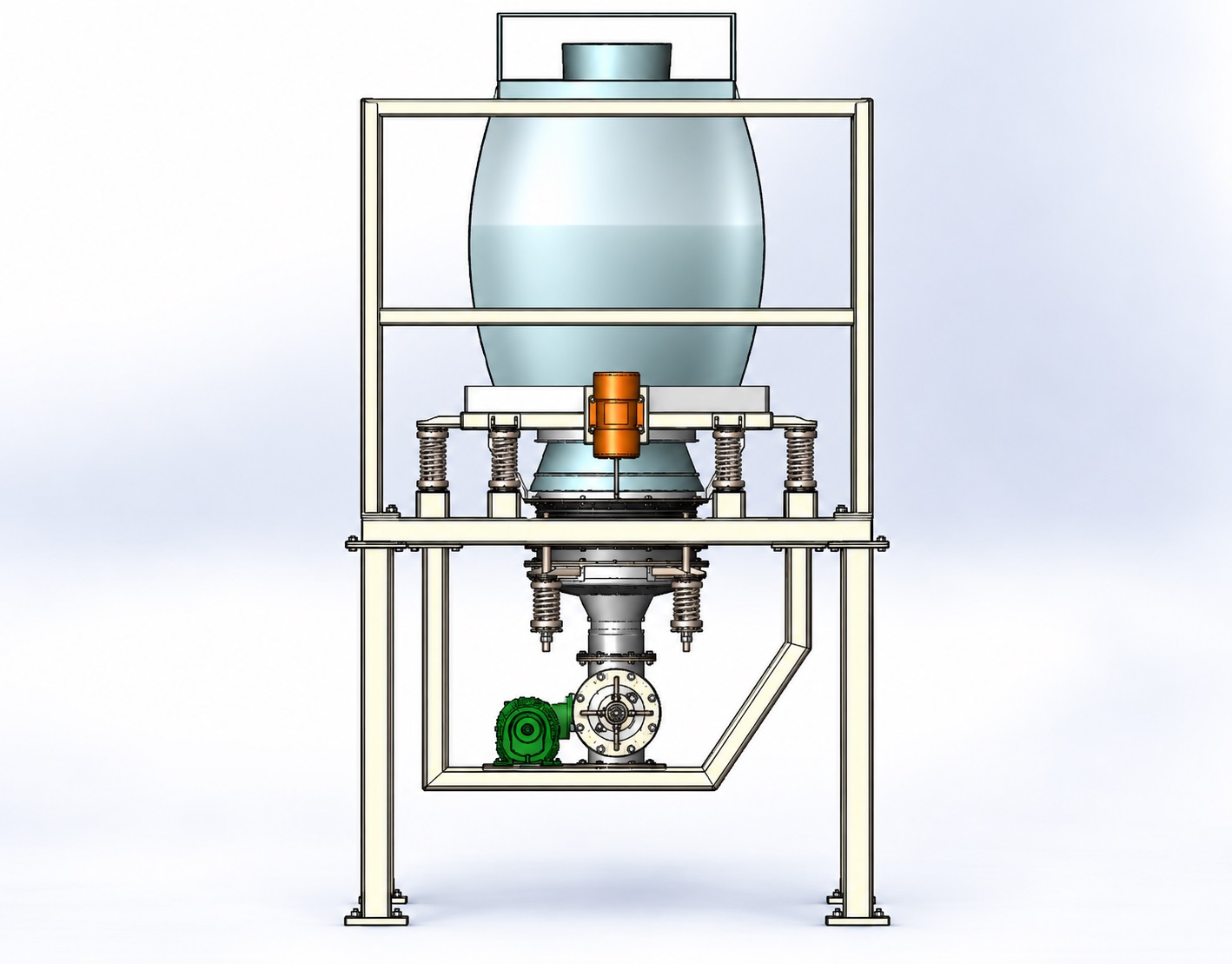
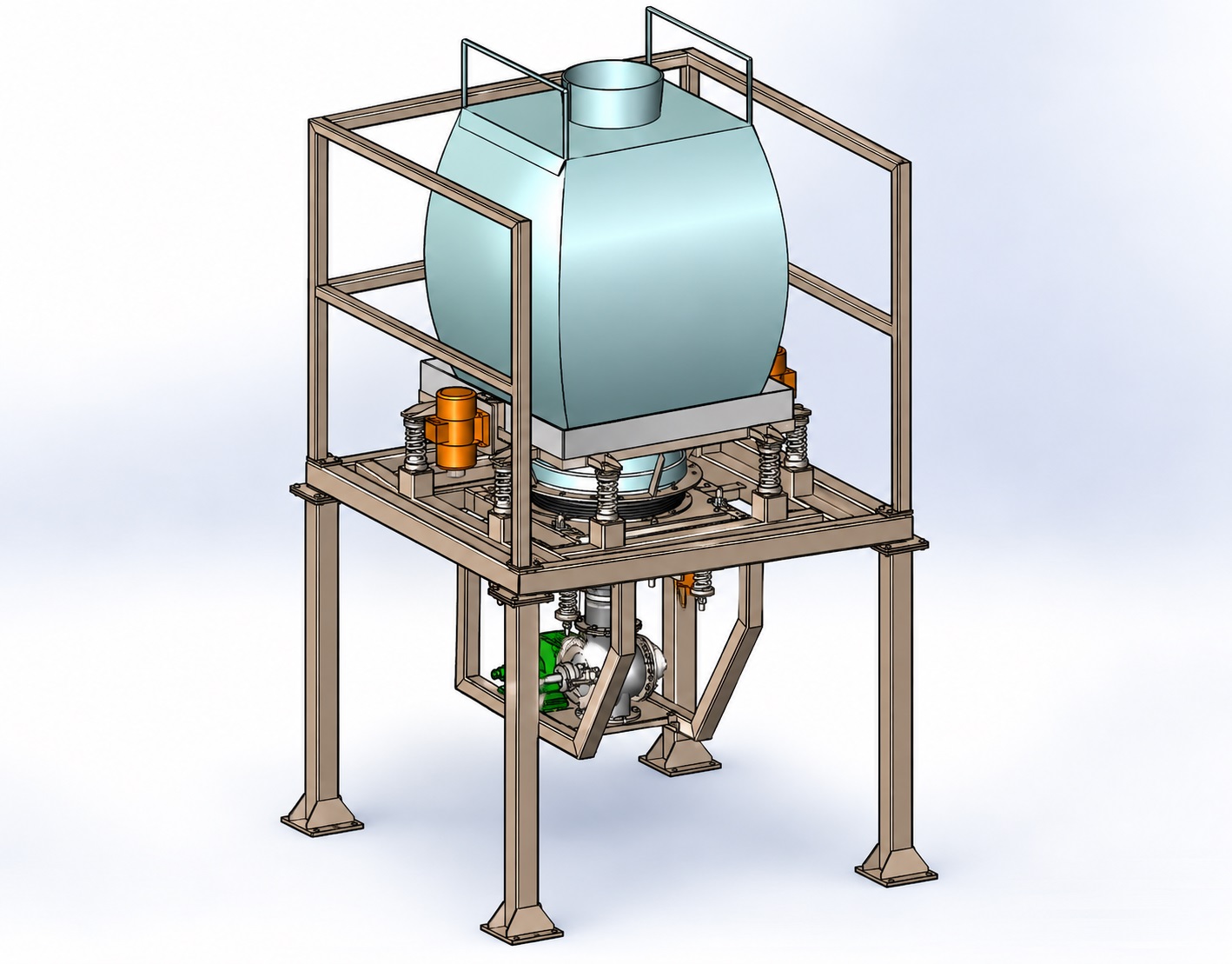
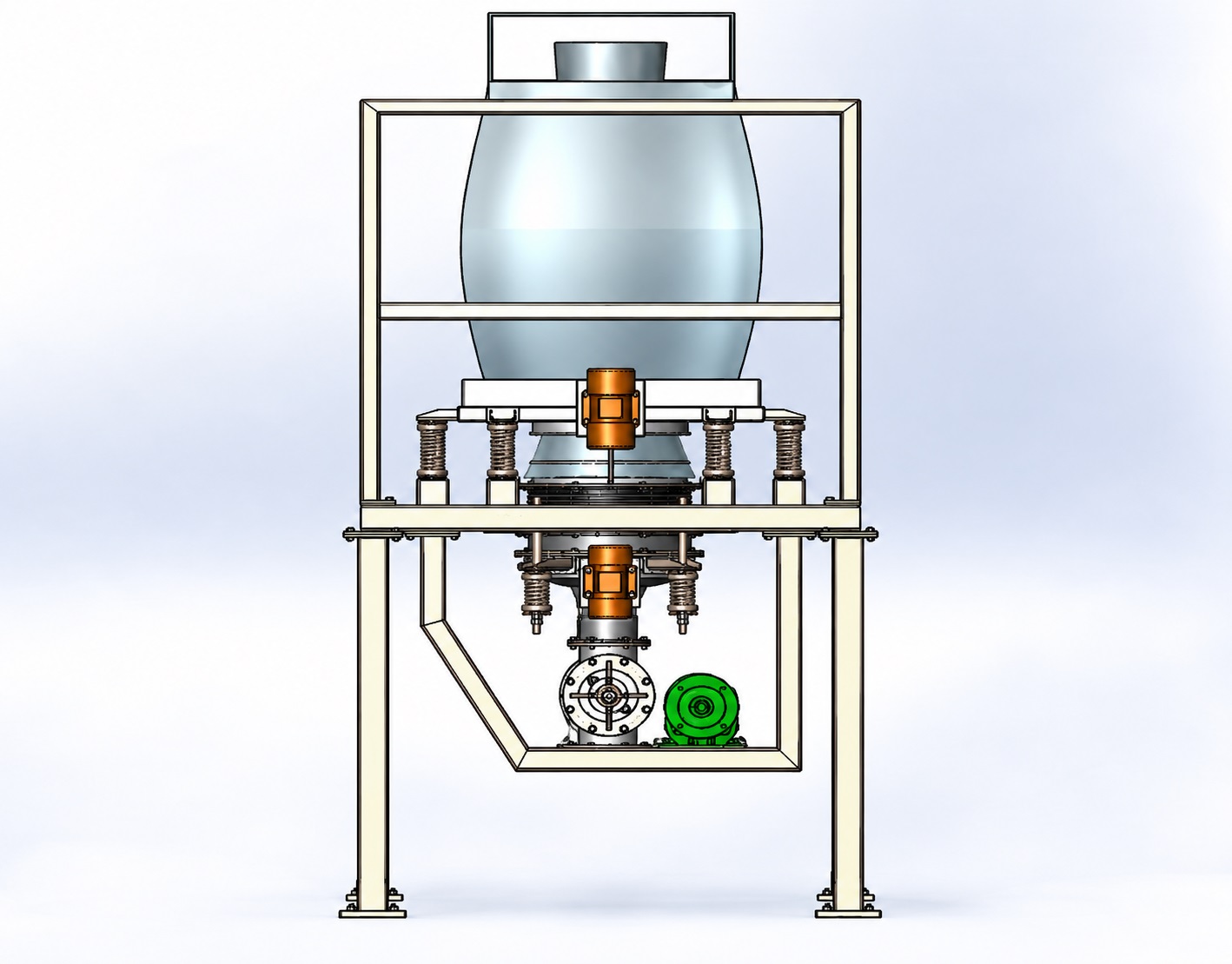
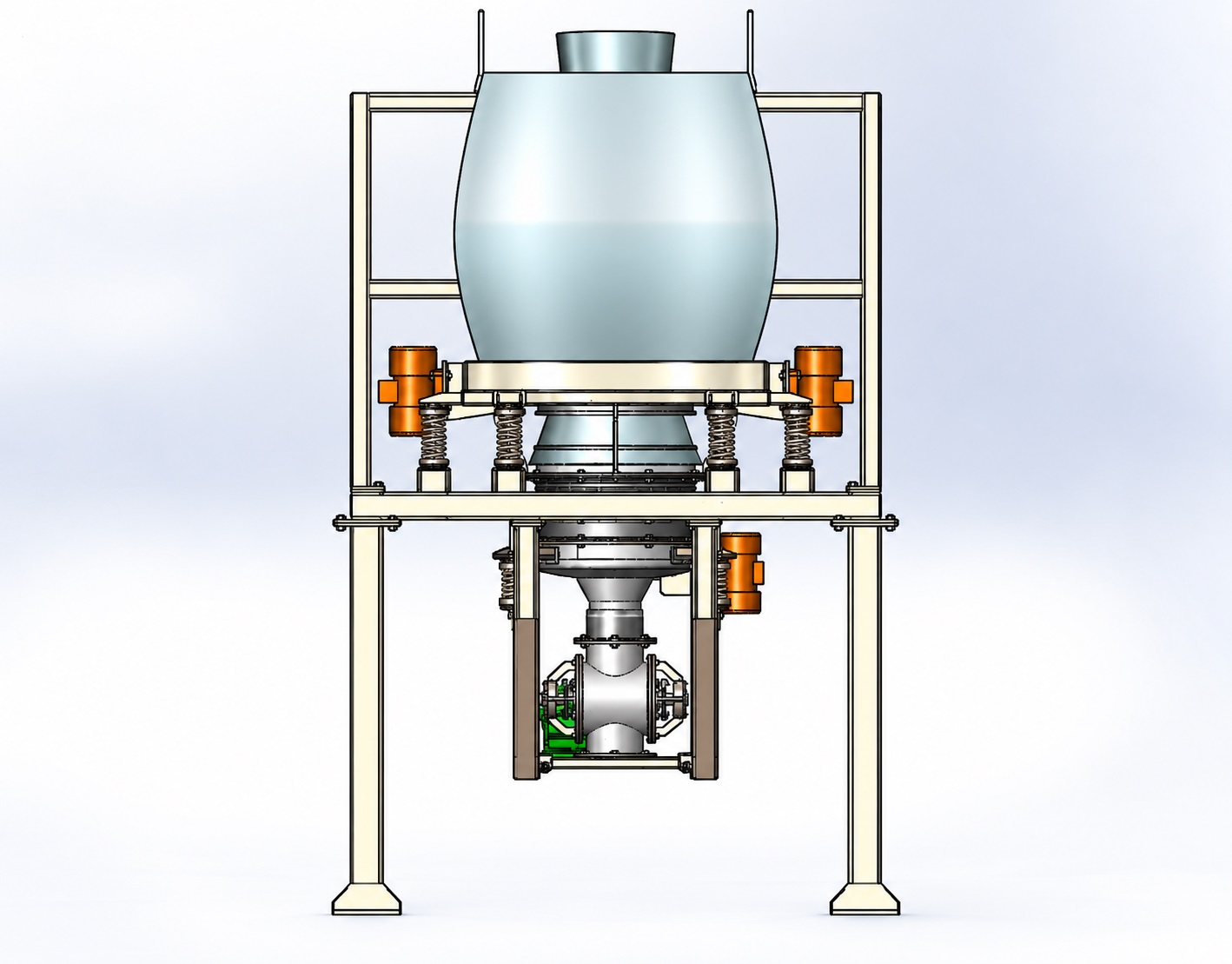
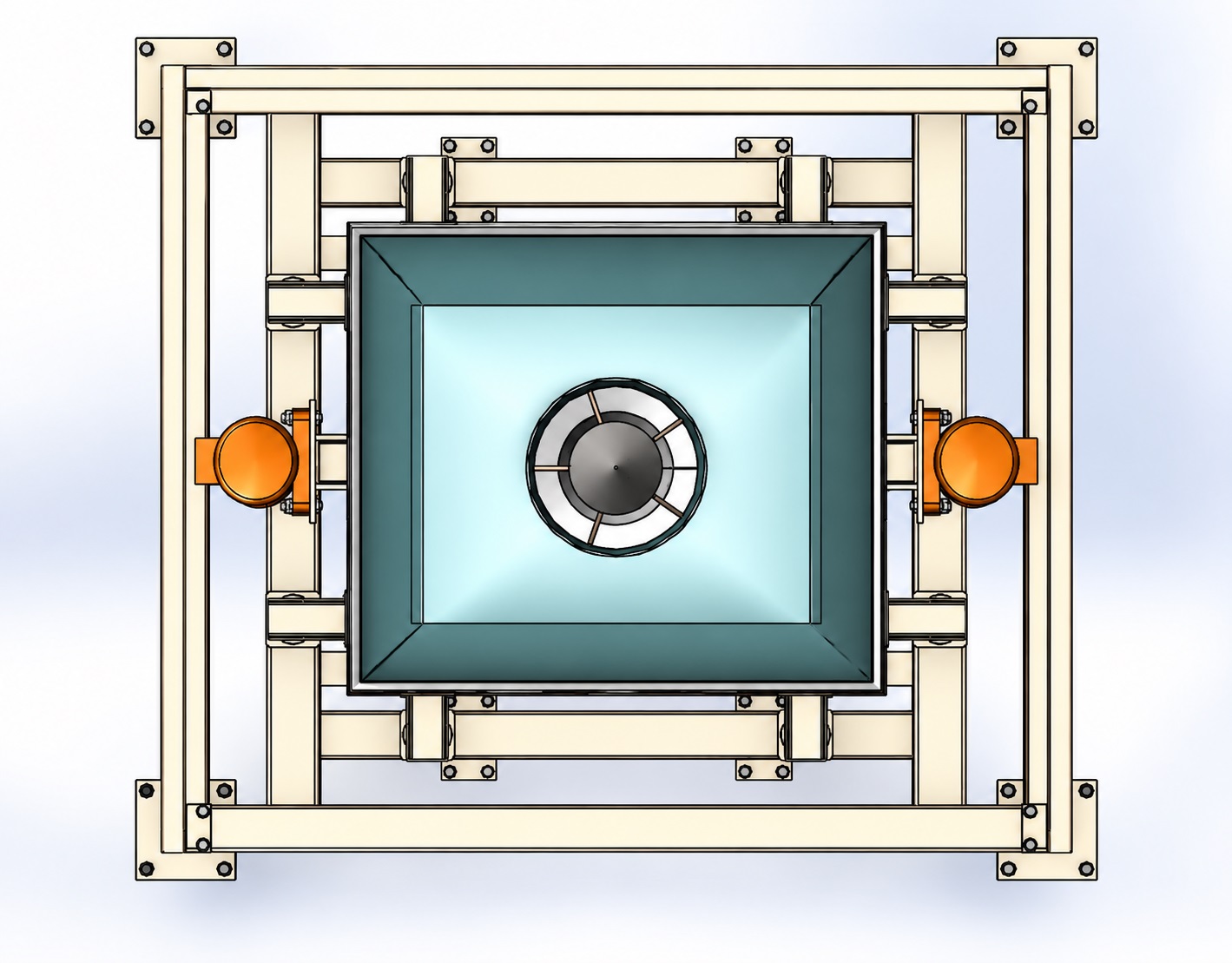
Bulk Bag Discharging Systems
Bulk bag unloading systems are designed to provide safe, efficient, reliable, and dust-controlled handling of dry bulk materials. Modern Bulk Bag Discharging Systems can be customized to meet specific material characteristics, process requirements, and operational needs.
Advanced bulk bag discharging systems may incorporate features such as flow promotion, discharge spout closure, dust containment, and controlled material discharge, ensuring consistent and reliable unloading performance.
Bulk Bag Support Arrangement
Upper and lower bulk bag support arrangements work together to safely support and contain the bulk bag and its contents.
The bulk bag can be positioned within the support frame using a dedicated hoist, forklift, or customer-supplied lifting equipment.
Regardless of the bulk bag frame configuration, the system is designed so that operators do not stand directly beneath the suspended bulk bag during positioning, unloading, or handling operations.
Bulk Bag Hangers
The bulk bag is attached to a bag hanger, which is used to lift and position the bag securely within the bulk bag unloader support frame.
Bag hangers are designed to provide easy attachment of bulk bag loops while maintaining secure support during unloading.
Bulk Bag Flow Aids
Bag massagers and deblocking devices can be essential components of bulk bag unloading systems when dry materials compact above the discharge spout or become heavily agglomerated during storage.
Bulk bag flow aids are designed to promote continuous and consistent material movement through the discharge spout, helping ensure reliable and uninterrupted material unloading.
Bulk Bag Spout Interfaces
The interface between the operator and the bulk bag discharge spout varies depending on the bag design, material characteristics, and flow properties.
The objective of the discharge spout interface is to provide operators with safe and convenient access for opening, closing, untying, and retying the bag spout, while minimizing dust release and ensuring complete material discharge.
Conveying & Processing Interfaces
A wide range of options is available for integrating bulk bag unloaders with material conveying systems and downstream processing equipment.
The appropriate interface depends on the material flow characteristics, required discharge rate, conveying method, and specific application requirements.
Recent Post



Get Our Latest Product
Catalogue & Updates
Subscribe to receive our latest industrial catalogues, automation solutions, and technical brochures directly in your inbox.